Source 8 hooks wooden coat tree for Hotel, Home, and Office
Find and compare 30 listings for the 8 hooks wooden coat tree, featuring modern designs in black, brown, and yellow finishes. Evaluate options based on material, load capacity, and installation type to find the right storage solution for your needs.
Key considerations
Products List


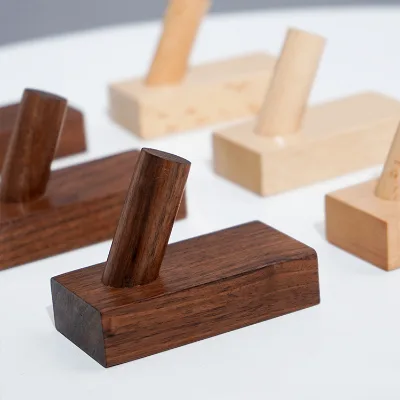






Comprehensive Sourcing Guide
8 Hooks Wooden Coat Tree Sourcing Guide
Sourcing an eight-hook wooden coat tree requires a careful balance between aesthetic versatility and structural integrity, as these units serve as both functional storage and decorative focal points in diverse environments. The observed market data indicates a wide spectrum of offerings, ranging from minimalist modern designs to artistic holiday-specific models, all sharing the core characteristic of multi-hook capacity. Buyers must navigate this variety by distinguishing between standard floor-mounted units intended for permanent installation in hotels and offices, and foldable or portable variants designed for temporary display or seasonal use. Understanding these distinct categories is the first step in defining precise procurement requirements, ensuring that the selected supplier aligns with the specific operational needs of the end-user environment.
The procurement landscape for these items is characterized by significant variation in material composition, finish, and assembly requirements, which directly impacts both the unit cost and the logistical complexity of delivery. While pinewood and general wood materials are prevalent, the finish—whether pine, brown, yellow, or white—plays a critical role in matching interior design schemes for living rooms, bedrooms, or retail spaces. Furthermore, the distinction between customized and non-customized options, along with the presence or absence of required assembly, introduces additional layers of decision-making. Buyers must evaluate whether they prefer ready-to-use, free-standing units or those requiring on-site assembly, as this choice influences inventory handling, customer experience, and potential after-sales support obligations.
Product Scope and Observed Listing Signals
The current market signals reveal a broad range of product attributes associated with eight-hook wooden coat trees, highlighting the importance of precise specification matching. Observed listings indicate that these units are available in various styles, including modern, artistic, and holiday-themed designs, with some specifically categorized for Christmas decoration purposes. The color palette extends beyond standard black to include brown, yellow, white, and natural wooden tones, allowing for customization to suit different interior aesthetics. Additionally, the presence of features such as antirust properties and multi-functionality suggests that these products are engineered for durability and versatility, making them suitable for high-traffic areas like shops, offices, and dining rooms where frequent use is expected.
Capacity and structural specifications vary significantly across suppliers, with some units offering a load capacity of 6.6 pounds per hook, while others specify a total load capacity of 52.8 pounds or a weight standard of 5 kilograms. These numerical differences are critical for buyers assessing the suitability of a product for heavy winter coats or lighter garments, as exceeding the recommended load can compromise stability and safety. The physical dimensions also differ, with some models measuring 19.7 inches in depth and width and 68.9 inches in height, providing a substantial footprint for multiple users. Buyers must carefully review these dimensional and capacity metrics to ensure the selected coat tree fits the intended space and can support the anticipated weight of hanging items without tipping or structural failure.
Technical Specifications to Verify
Verifying the technical specifications of an eight-hook wooden coat tree is essential to ensure compatibility with the intended installation environment and usage patterns. Buyers should confirm whether the unit is designed for floor mounting or free-standing placement, as this determines the need for anchoring hardware or stability features. The assembly requirements are another critical factor; some models are marketed as easy to assemble with no tools required, while others may need more complex setup procedures. Understanding the assembly process helps in estimating labor costs and determining whether the product is suitable for direct-to-consumer sales or commercial installation by professional teams.
Material quality and finish are paramount for long-term durability and aesthetic appeal, particularly in environments exposed to varying humidity levels or frequent handling. The use of pinewood or other wood types should be verified for grain consistency, surface smoothness, and resistance to warping or cracking. Additionally, the presence of eight hooks must be confirmed in terms of their material composition, attachment method, and load-bearing capacity. Buyers should also check for features such as foldability, which can be advantageous for storage and transportation, and ensure that the product’s shape, whether square or otherwise, aligns with the spatial constraints of the installation area.
Compliance and Safety Documentation
Compliance with safety and quality standards is a non-negotiable aspect of sourcing wooden coat trees, especially for products intended for use in public or commercial spaces. Buyers must request documentation verifying that the product meets relevant regional safety regulations, such as CE or EU certification, which indicate adherence to strict manufacturing and material safety guidelines. These certifications ensure that the wood treatments, finishes, and structural components do not pose health risks or environmental hazards, providing assurance to end-users and regulatory bodies. Without proper certification, products may face restrictions in certain markets, leading to potential legal liabilities and reputational damage for the buyer.
In addition to regulatory compliance, buyers should verify the product’s condition and warranty terms to mitigate risks associated with manufacturing defects or premature wear. New condition products should come with clear warranty policies that cover structural failures, hook detachment, or finish degradation under normal use. It is also important to assess the packaging quality, as carton or color box packaging must protect the product from damage during transit. Proper packaging not only reduces the risk of returns due to shipping damage but also enhances the unboxing experience for end-users, contributing to overall customer satisfaction and brand perception.
Cost Drivers and Commercial Terms
The cost of an eight-hook wooden coat tree is influenced by several key factors, including material selection, customization options, and packaging requirements. Customized products, which may involve specific colors, finishes, or structural modifications, typically command higher prices due to the additional labor and material costs involved. Similarly, products with enhanced features such as antirust coatings or multi-functional designs may be priced at a premium compared to standard models. Buyers should carefully evaluate the value proposition of these features against their budget constraints to ensure that they are paying for attributes that genuinely benefit their end-users.
Commercial terms, including minimum order quantities (MOQ) and lead times, also play a significant role in the total cost of ownership. Observed MOQ ranges vary widely, from as low as one unit to as high as 3000 units, allowing buyers to scale their orders according to demand forecasts and storage capacity. Lead times, while not explicitly specified in the provided data, are typically influenced by the complexity of the product and the supplier’s production capacity. Buyers should negotiate clear terms regarding payment schedules, shipping responsibilities, and return policies to avoid unexpected costs and ensure a smooth procurement process.
Supplier Qualification and Quality Control
Selecting a reliable supplier for eight-hook wooden coat trees requires a thorough evaluation of their manufacturing capabilities, quality control processes, and track record. Buyers should verify the supplier’s origin, with many products originating from regions like Zhejiang, known for their expertise in wood processing and furniture manufacturing. It is essential to assess the supplier’s ability to maintain consistent quality across batches, particularly when dealing with natural materials like wood, which can vary in grain and density. Requesting samples before placing large orders allows buyers to inspect the finish, stability, and hook attachment quality firsthand.
Quality control measures should include rigorous testing of the product’s load capacity, stability, and durability under simulated use conditions. Buyers should inquire about the supplier’s inspection protocols, including pre-production, during-production, and pre-shipment inspections, to ensure that defects are identified and rectified early in the manufacturing process. Additionally, suppliers should provide clear documentation of their quality assurance practices, including any third-party testing results or internal quality metrics. Establishing a strong relationship with a supplier who prioritizes quality and transparency helps mitigate risks and ensures a steady supply of high-quality products.
Long-Term Procurement Checks
Long-term procurement success depends on establishing ongoing performance metrics and feedback loops with suppliers to ensure continuous improvement and alignment with market demands. Buyers should regularly review product performance in the field, collecting data on customer satisfaction, return rates, and durability issues to identify areas for improvement. This feedback should be shared with suppliers to drive product enhancements, such as improved hook designs, more durable finishes, or easier assembly processes. By maintaining open communication and a collaborative approach, buyers can foster a partnership that evolves with changing market trends and customer expectations.
Additionally, buyers should periodically reassess their supplier base to ensure competitiveness in terms of pricing, quality, and service. This may involve benchmarking against other suppliers, exploring new material options, or evaluating the potential for cost savings through volume discounts or optimized logistics. Staying informed about industry trends, such as sustainable wood sourcing or innovative design features, can also provide a competitive edge. By proactively managing supplier relationships and continuously evaluating procurement strategies, buyers can ensure a resilient and efficient supply chain for eight-hook wooden coat trees.
FAQs
What customization options are available for this coat tree?
Customization is available for this product, allowing buyers to request specific modifications. The product is listed as both customized and non-customized depending on the model, offering flexibility for different buyer needs.
How much weight can each hook support on the wooden unit?
Each hook on the specified model supports a capacity of 6.6 pounds. This load capacity ensures stability for typical items like coats and bags while maintaining the structural integrity of the pinewood construction.
Which materials are used to construct this coat rack?
The coat rack is constructed from pinewood and general wood materials. These natural materials provide a sturdy base and are finished to ensure durability and aesthetic appeal for various indoor environments.
Can this coat tree be installed without tools?
Yes, the assembly instructions indicate that no tools are required for installation. The product is designed for easy assembly, making it convenient for buyers to set up the unit in their homes or offices immediately.
What certifications does this wooden coat tree hold?
The product holds CE and EU certifications, ensuring compliance with relevant safety and quality standards. These certifications verify that the manufacturing process meets specific regulatory requirements for the intended markets.
Where is this wooden coat tree manufactured?
The product originates from China, specifically from the Zhejiang region. This location is a known hub for furniture manufacturing, providing access to established supply chains and production capabilities for wooden items.
What is the standard size of the regular model?
The standard size for the regular model is 19.7 inches deep by 19.7 inches wide and 68.9 inches high. This dimension provides a substantial footprint suitable for living rooms, hotels, and office spaces.